You know you have more in you.
Find what’s holding you back.
You put in the miles. You do the workouts. You show up on race day. And still, there’s that feeling: I know I’m capable of more. Unlymted is being built to help serious endurance and hybrid athletes uncover the health factors that may be limiting how they train, recover, and perform.
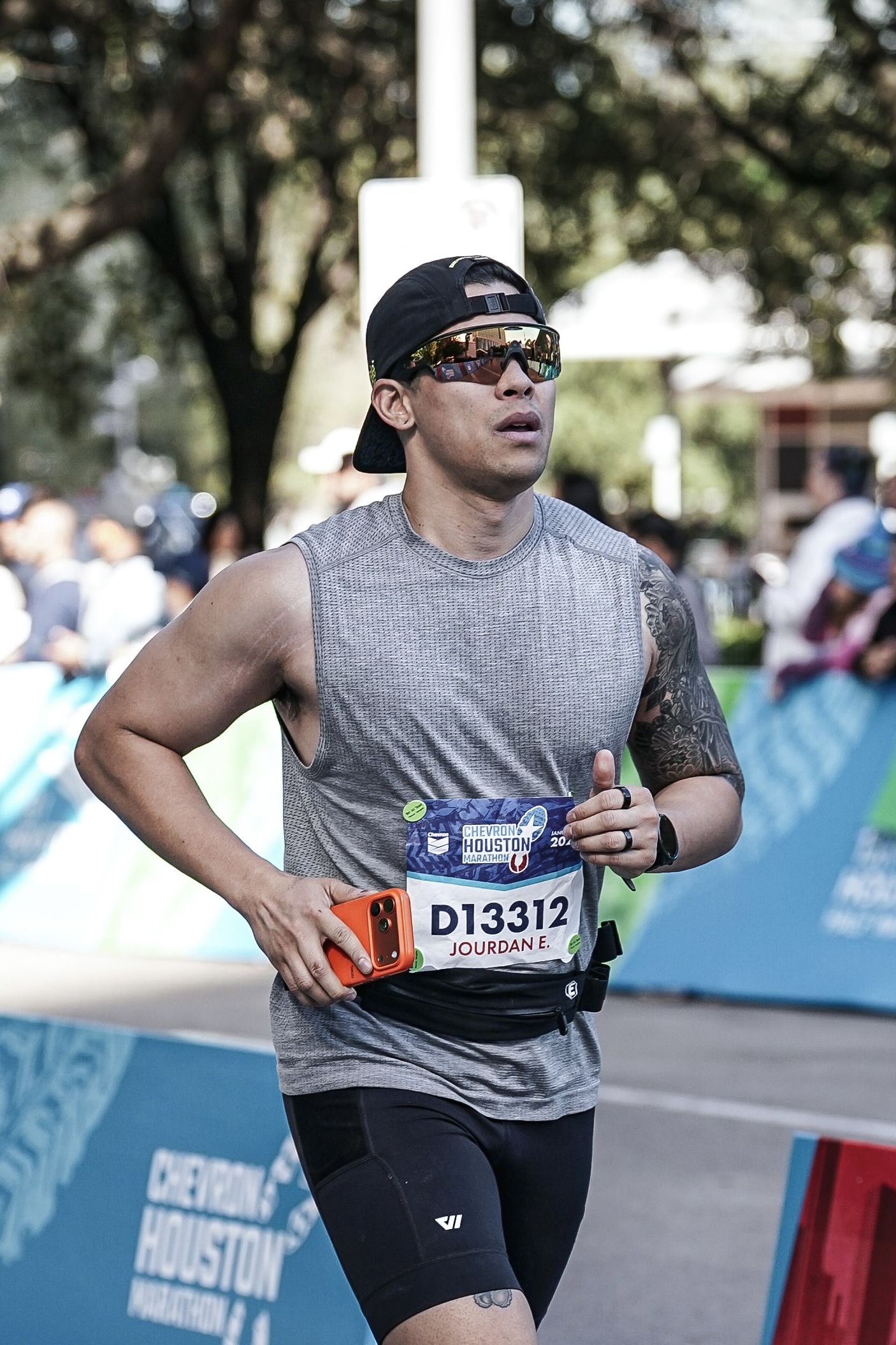
You’re already doing the work. So why does it still feel like something is missing?
You can train harder, buy another wearable, tighten your nutrition, and follow the plan perfectly. But when progress stalls or recovery falls apart, most athletes are left guessing. Unlymted is being designed to help turn that uncertainty into a clearer next step.
“I’m working just as hard. Why am I getting less back?”
Fatigue, poor recovery, unusual heart-rate changes, sleep disruption, or a performance drop can deserve more than another week of guessing.
“What if my limiter isn’t my training plan?”
You may feel generally healthy and still want to know whether something beneath the surface is keeping you from your best.
“How do I keep pushing without breaking down?”
The goal isn’t only the next PR. It’s becoming the athlete you know you can be — and staying that athlete for years.
Your data can show the symptom. It can’t always explain the cause.
Wearables are incredible at showing patterns. Coaches are incredible at programming training. But when your body stops responding the way you expect, you may need a medical lens too. Unlymted is being built to help athletes investigate what their normal tools can’t answer.
Notify me when Unlymted launches →Fatigue that doesn’t match the training
Is it simply a hard block, poor sleep, under-fueling, illness, or something a clinician should evaluate?
Recovery that keeps trending the wrong way
Your wearable can flag the pattern. A clinician can help determine whether symptoms and history justify further evaluation or testing.
Labs without athlete context
A result on a page doesn’t tell the whole story. Symptoms, medical history, training demands, and clinical judgment still matter.
Your baseline before anything feels wrong
Knowing your own history can make future changes easier to interpret than starting from zero after performance has already changed.
Less guessing. More clarity. A better shot at becoming the athlete you know you can be.
The planned experience combines licensed clinical care with the context serious athletes already track — so the medical conversation starts with your actual training life, not a generic annual physical.
Your training becomes part of the context.
Race calendar, weekly volume, symptoms, recovery, injury history, nutrition, sleep, and wearable trends — alongside standard medical history.
Testing when it’s clinically appropriate.
A licensed clinician determines whether labs, evaluation, treatment, referral, or simply monitoring makes sense based on your actual history and symptoms.
Medical conversations that understand training.
We’re building toward synchronous telehealth visits with clinicians experienced in sports, exercise, endurance, or performance medicine.
Know your baseline. Track meaningful changes.
The bigger vision is an ongoing medical relationship that can follow your training blocks, health history, and changes over time.
From “something feels off” to showing up ready when it matters.
Tell us what you’re training for — and what feels off.
Share your event, timeline, training volume, goals, symptoms, recovery patterns, health history, and the questions you want answered.
Get clinically appropriate evaluation.
A licensed clinician reviews the full picture and, when appropriate, can order testing, recommend treatment, or direct you to the right next step.
Show up ready to perform.
Understand what deserves attention before race day so you can make better-informed decisions about your health, recovery, and preparation — without pretending every performance problem needs a prescription.
You’re not paying for “more data.” You’re paying for fewer unknowns between you and race day.
Different athletes will come to Unlymted for different reasons. The common thread is simple: they want more confidence that their body is supporting what they’re asking it to do — especially when the day they’ve trained months for is getting close.
Something feels off.
“My easy pace is slower, my heart rate is higher, and I can’t recover like I used to. I want to know if something is worth investigating.”
I want to perform at my best on race day.
“I’ve trained for months. I want fewer unknowns going into the day that matters most — and to know if anything deserves attention before I line up.”
I’m playing the long game.
“I care about the next race, but I care even more about still doing this at 50, 60, and beyond.”
You already have tools for training. What happens when the problem isn’t the plan?
Your coach, wearable, and PT each solve a different problem. Unlymted is being built for the medical questions underneath performance — the questions that show up when you know you have more in you, but can’t explain what’s holding you back.


I’ve spent the last two years racing with the same thought: I know I have more in me.
I can train harder. Follow the plan. Improve my nutrition. Buy another wearable. But what if the thing holding me back is something I don’t even know to look for?
I don’t want another dashboard telling me I had a bad day.
I want to understand why. If something in my health is limiting my recovery or performance, I want a qualified clinician who understands endurance training to help me investigate it.
Build the resource I wish existed for athletes like me.
Unlymted is being built for people who aren’t done yet — people who train, race, and believe their best performance is still ahead of them.
“Do I actually need this?”
Maybe not today. But if you’ve ever thought “I’m doing everything right — why do I still feel stuck?”, Unlymted is being built for that moment.
Is this just another blood-test company?
No. The idea is not to sell a giant panel to everyone. Any future testing would be clinician-directed and interpreted in the context of symptoms, medical history, and training.
Do I need to be injured or feel sick?
No. Some athletes may come because something feels wrong. Others may want a baseline before a major training block. But Unlymted should only exist if athletes find enough real value to pay for that relationship — which is exactly what this pre-launch test is measuring.
Will Unlymted replace my coach?
No. Your coach owns training programming. Unlymted is intended to address medical questions and clinical evaluation, not tell you how many intervals to run Tuesday.
Will doctors prescribe medication?
When Unlymted launches, any treatment decisions would be made by appropriately licensed clinicians based on a real clinical need. The business is not being built around selling prescriptions, TRT, peptides, or performance-enhancing drugs.
Is Unlymted live today?
Not yet. This page is a demand-validation test. We’re currently evaluating clinical partners and learning which athlete problems are valuable enough to build around.
Your best may still be ahead of you.
Unlymted isn’t live yet. Join the list and we’ll let you know when the first athlete experience opens — built to help athletes understand what may be holding them back and prepare to perform at their best when it matters.
Unlymted is currently pre-launch and is not yet providing medical care. Joining the list does not create a clinician-patient relationship. Any future medical services will be provided by appropriately licensed clinicians and may vary by state.